Muskegon Hearing & Speech Center is now part of the Hear Michigan family
- Expanded product offerings, services and locations to serve you
- New pricing and financing options
- Increased support, training and ongoing education
Muskegon Hearing & Speech Center (Part of Hear Michigan Centers)
Muskegon , MI 49444
Fax: 231-733-4093
Tuesday: 09:00 AM to 05:00 PM
Wednesday: 08:00 AM to 05:00 PM
Thursday: 09:00 AM to 05:00 PM
Friday: 08:00 AM to 04:00 PM
Saturday: Closed
Sunday: Closed
- In Person
- Curbside
- Virtual

Additional clinic details

Insurance Counseling
Many newer insurance plans have a benefit that covers at least a portion of the cost of hearing aids but understanding what your current medical plan covers can be confusing. That’s why we have insurance specialists on-staff who are happy to verify your benefits and take the time to explain them to you.

Dementia
Our caring providers and welcoming staff make it inviting and comfortable for those suffering from dementia or other memory challenges to enter our office. We invite family members into the process and offer unique counseling options to help with a successful home or memory care communication plan.
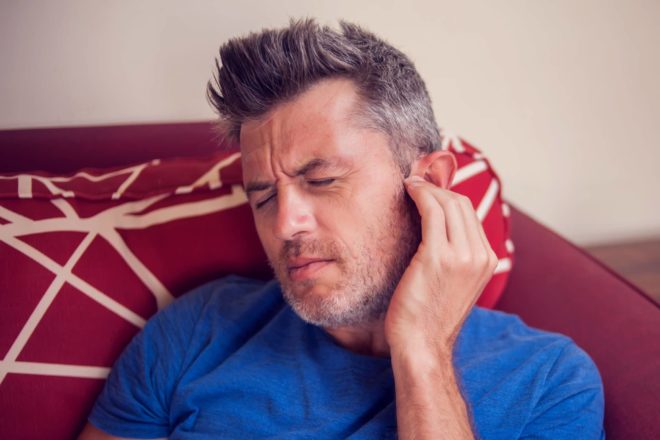
Tinnitus Management
At Hear Michigan Centers, we specialize in the diagnosis and management of tinnitus (often called “ringing in the ears”). A full examination often pinpoints the underlying cause of tinnitus and helps our hearing care professionals determine the best plan of treatment, which may include special hearing aids, sound therapy, or changes in diet.
Meet the team

John Ackerman